No Más Spreadsheets:
Una Mejor Forma de Gestionar Liquidaciones a Productores
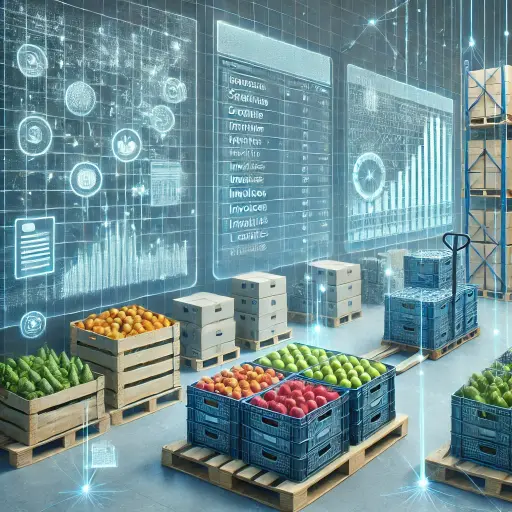
Si tu equipo aún prepara grower statements en hojas de cálculo, probablemente está invirtiendo horas conciliando costos y exponiéndose a disputas y posibles errores. Reserva, un ERP específico para la industria de alimentos, reemplaza los cálculos ad-hoc con reglas claras de programas y políticas de costos estandarizadas, de modo que las asignaciones se realizan automáticamente, los pagos a productores se aceleran y las auditorías pueden respaldarse fácilmente.
El Costo Oculto de las Liquidaciones Manuales
Cada temporada, el equipo de contabilidad termina enterrado en pestañas de Excel: el flete de entrada en una hoja, el repack en otra, el brokerage en otra más, y una cadena de correos para justificarlo todo. El resultado son pagos más lentos, cuestionamientos por parte de los growers y demasiado tiempo dedicado a explicar números en lugar de mover producto.
Lo que vemos con más frecuencia en empresas que aún no utilizan un ERP para productos frescos:
- Costos aplicados de forma inconsistente entre programas o entidades
- Fletes y cargos accesorios (accessorials) asignados “en bloque” después de los hechos
- Conversiones de grado (grade conversions) gestionadas fuera del sistema
- Settlement statements que no se vinculan claramente con el historial del lote
- Gastos asignados sin soporte contable (sin rastro documental en el sistema contable)
Cuando esto ocurre, la confianza se debilita. Incluso pequeñas discrepancias generan ruido (“¿Por qué este embarque tuvo más flete que el de la semana pasada?”). Multiplica eso por decenas de growers y el resultado son llamadas tensas y pagos retrasados.
Contratos
Plantillas de contrato acordadas por ambas partes que establecen la base de comisión, el tipo de precio (FOB, Delivered, etc.), chargebacks, participación en utilidades, etc
Lógica de Conversión
Para procesos de repack y grading, de modo que los lotes derivados (child lots) mantengan su costo real en el sistema, en lugar de promedios calculados posteriormente
Costos Documentados
Para cargos de entrada y salida (flete, manejo, inspección, brokerage, aduanas, cargos financieros). Todo debe estar respaldado por un documento contable. Esto también reduce entradas duplicadas y fomenta buenas prácticas de contabilidad.
Nuestro Enfoque: Política, Control y Documentación
Una vez definidas estas políticas, Reserva facilita el resto: asigna los costos a los lotes conforme ocurre el trabajo y genera estados de liquidación listos para liquidación que se vinculan con eventos trazables.
El módulo de Programs & Liquidations de Reserva no comienza con pantallas. Comienza con reglas que tu negocio acuerda.
Qué Cambia para Tu Equipo (y para los Productores)
Las organizaciones que adoptan este modelo dentro suelen reportar resultados como:
Un Escenario Real
Un embarque mixto llega dividido entre dos growers y tres clientes. El flete incluye un recargo por entrega en sábado. La mitad del producto se repackea y clasifica. Un broker participa en parte de los casos.
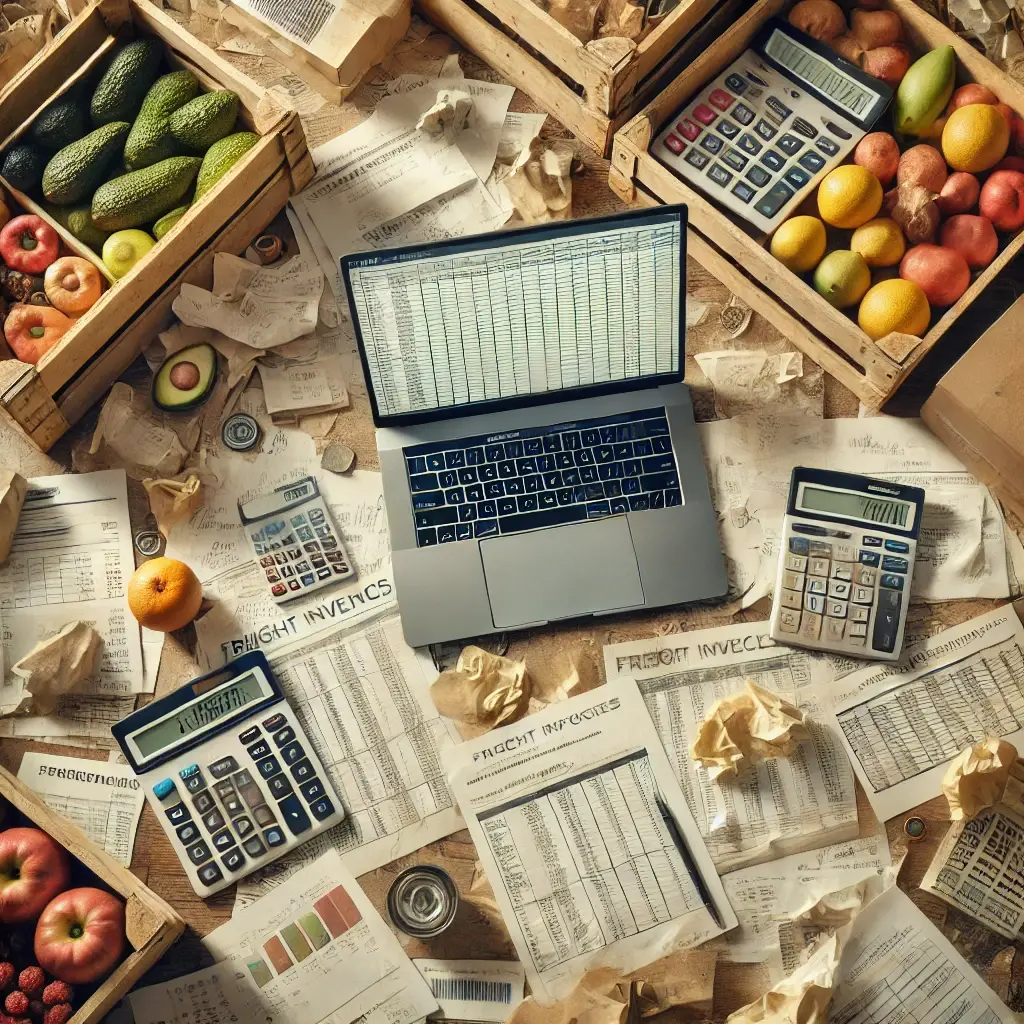
En un mundo de hojas de cálculo
Alguien busca correos, divide el flete “de forma justa”, recuerda aplicar el recargo solo a la parte repackeada y espera que la comisión del broker termine en los casos correctos. Una semana después, un productor cuestiona la lógica.
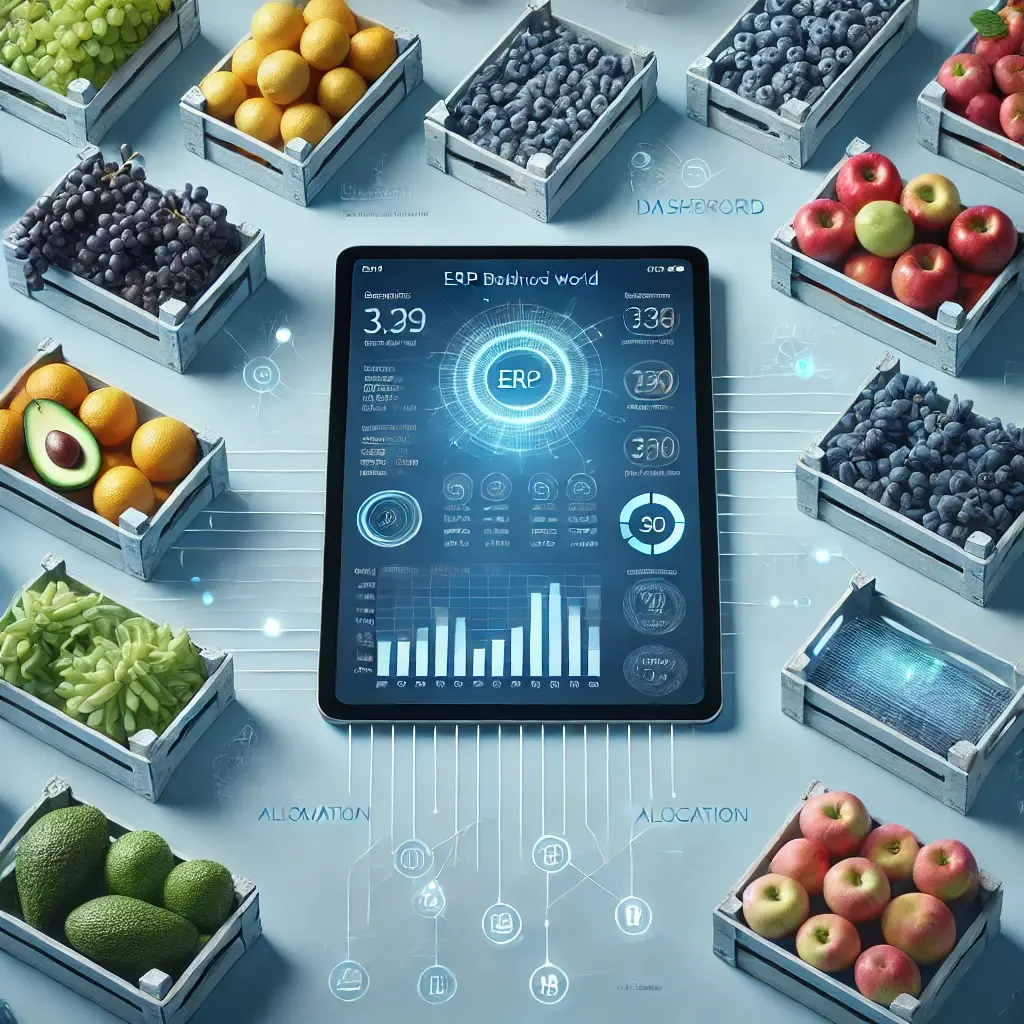
En el mundo de Reserva
Tus políticas de costos dentro del ERP ya definen cómo se asignan el flete de entrada, recargos, mano de obra de repack y brokerage (por peso, por caja o por valor). A medida que ocurren las operaciones de recepción, repack y ventas dentro del ERP, los costos fluyen automáticamente hacia los lotes correctos. Cuando llega el momento de liquidar, el estado de liquidación referencia exactamente los eventos que generaron cada costo. Explicas la política una vez, no cada vez.
Cómo Funciona la Implementación
Trabajamos con tus líderes de finanzas y operaciones para codificar cómo deseas tratar los costos. Es como escribir juntos tu manual de operación:
- Discovery: Inventariamos tipos de costos, excepciones y casos especiales (por ejemplo, estacionalidad o programas multi-entidad).
- Diseño de políticas: Elegimos las bases de asignación y umbrales que reflejan cómo opera tu negocio.
- Salida en vivo e iteración: Mantenemos ciclos cortos de retroalimentación; las políticas pueden evolucionar con cada temporada.
Durante todo el proceso, priorizamos la trazabilidad y contabilidad de costos dentro del ERP para la industria de productos frescos. Las reglas contractuales son claras, los cambios quedan registrados y los auditores cuentan con un rastro limpio desde el lote hasta el libro contable. Tu equipo mantiene el control: el sistema simplemente aplica las reglas que ustedes definen.

Qué Puedes Medir en el Primer Mes
Incluso con supuestos conservadores, los equipos suelen ver:
- Reducción significativa del tiempo de preparación por liquidación
- Disminución visible de ajustes manuales
- Menor tiempo de pago a growers y menos correos preguntando por el estado
- Explicaciones de variaciones más claras en el cierre contable gracias a políticas de costos consistentes
Si partes de un proceso totalmente manual, el primer mes suele sentirse así: menos copiar y pegar, menos recalculaciones nocturnas y teléfonos más silenciosos.
Prueba Esto Después (Incluso si Aún No Eres Cliente de Reserva)
- Enumera tus cinco principales tipos de costo y escribe cómo deberían asignarse (por cajas, peso, valor o monto fijo). ¿Son consistentes esas reglas hoy?
- Elige un programa complejo y documenta cada paso desde la recepción hasta la liquidación. ¿Dónde ocurren decisiones manuales? Esos son tus candidatos a política.
- Define quién es responsable de cada política y cómo se aprobarán los cambios durante la temporada.
Tráenos ese borrador y lo revisamos juntos. Las herramientas vienen después; la claridad viene primero.
¿Listo para pasar de hojas de cálculo a liquidaciones automatizadas?
Reviemos tus políticas y te mostraremos cómo las liquidaciones automatizadas pueden reducir disputas y acelerar los pagos a productores.
Agenda una Demo